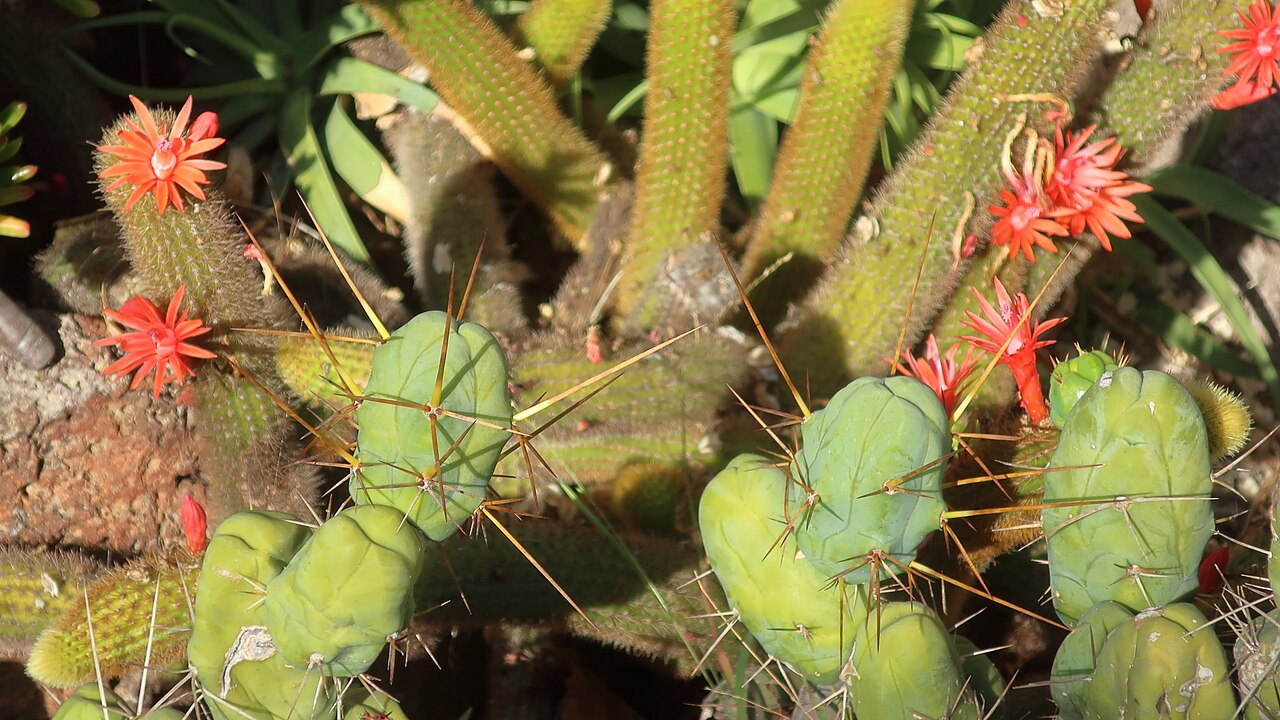
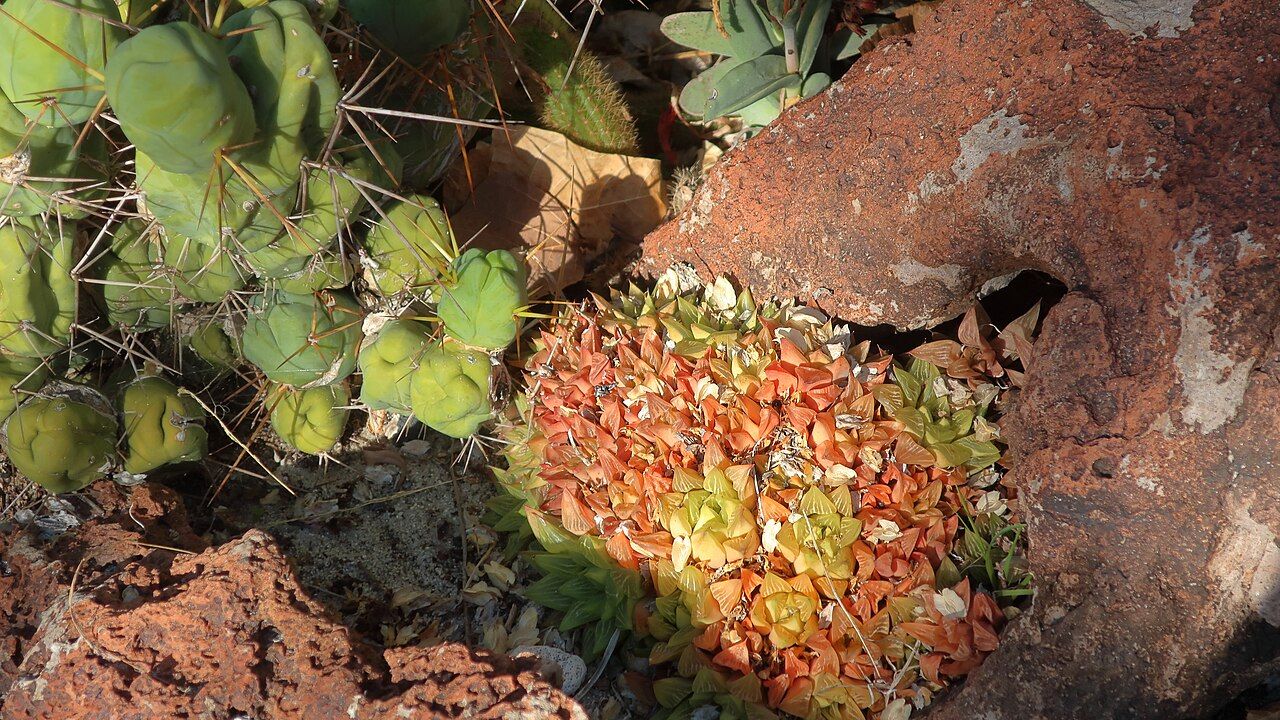
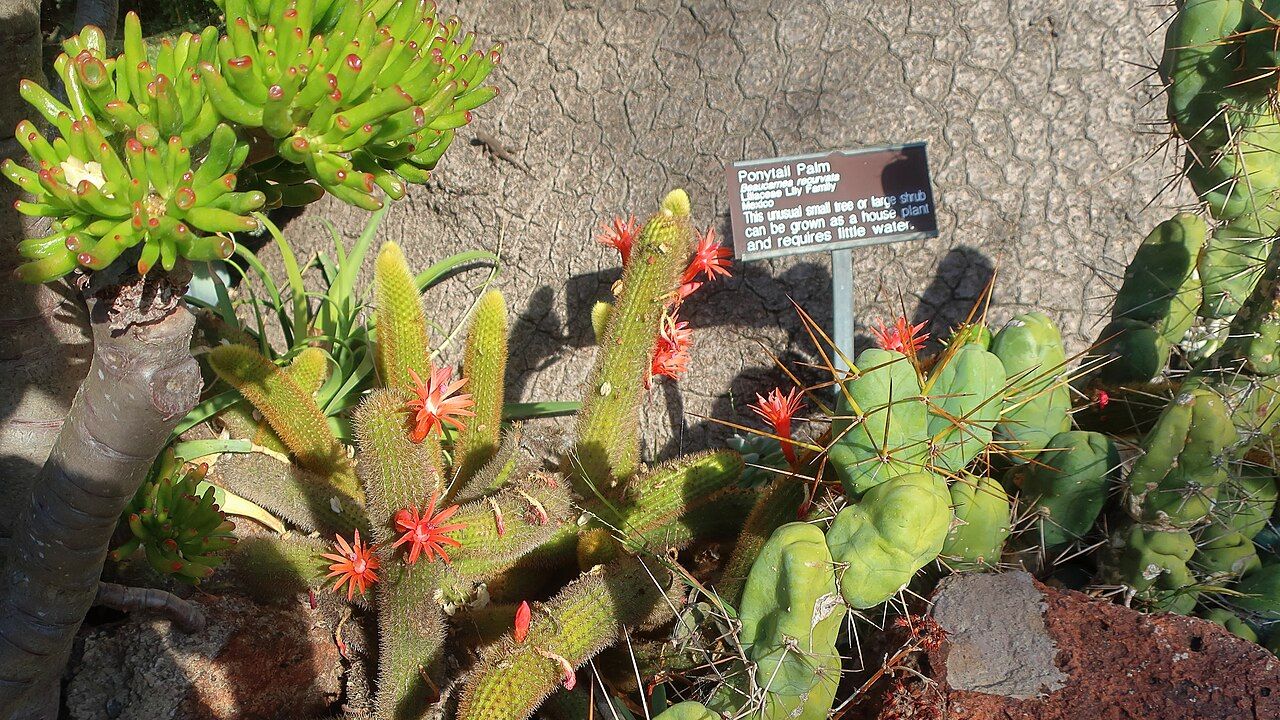
The monstrose form of T. bridgesii (TBM), colloquially the 'penis cactus' or 'penis plant,' is a naturally occurring mutation distinguished by irregular, distorted, largely spineless segmented growth.
The monstrose form of T. bridgesii (TBM), colloquially the 'penis cactus' or 'penis plant,' is a naturally occurring mutation distinguished by irregular, distorted, largely spineless segmented growth. [https://en.wikipedia.org/wiki/Echinopsis_lageniformis; https://www.sanpedrosource.com/blogs/the-source-blog/long-form-vs-short-form-penis-cactus-tbm-type-a-vs-type-b]
History
Hobbyist/community lineage records (trichocereus.net) state Curt Backeberg claimed in Die Cactaceae to be the source for at least one of the two TBM clones, and report that the monstrose was introduced to cultivation by Ed and Betty Gay in the 1960s. The Backeberg/Die Cactaceae attribution is directly in the cited source; the Ed and Betty Gay attribution is unverified hobbyist lore and appears only in trichocereus.net, not in the sanpedrosource.com source. [https://www.sanpedrosource.com/blogs/the-source-blog/long-form-vs-short-form-penis-cactus-tbm-type-a-vs-type-b; https://trichocereus.net/tbm-trichocereus-bridgesii-penis-plant-type-b/]
Clone genealogy
Two distinct TBM clones are recognized in cultivation: Clone A (long form / Type A) and Clone B (short form / Type B), with Clone B being the more common, compact, rounded-node form. [https://www.sanpedrosource.com/blogs/the-source-blog/long-form-vs-short-form-penis-cactus-tbm-type-a-vs-type-b; https://trichocereus.net/tbm-trichocereus-bridgesii-penis-plant-type-b/]