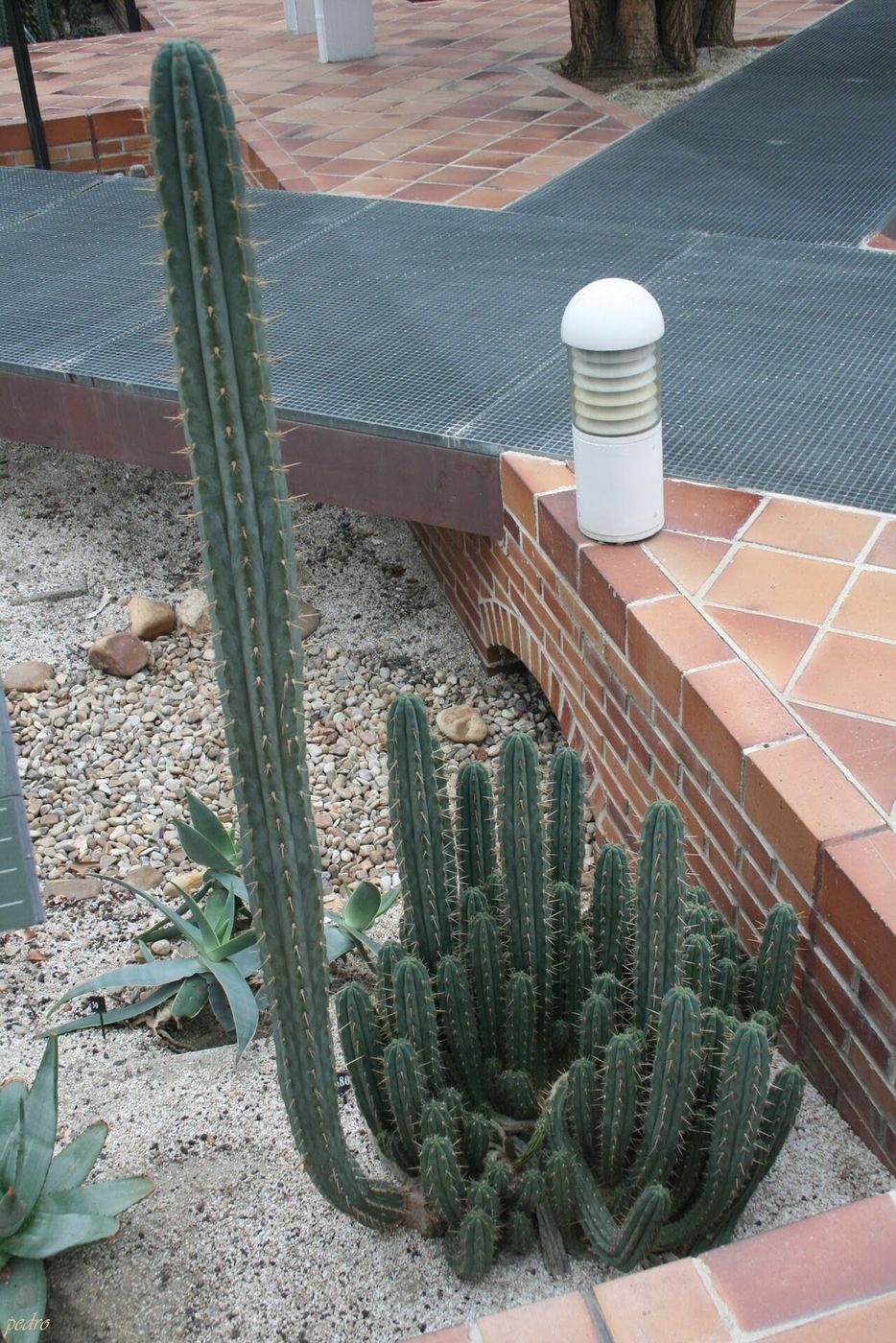
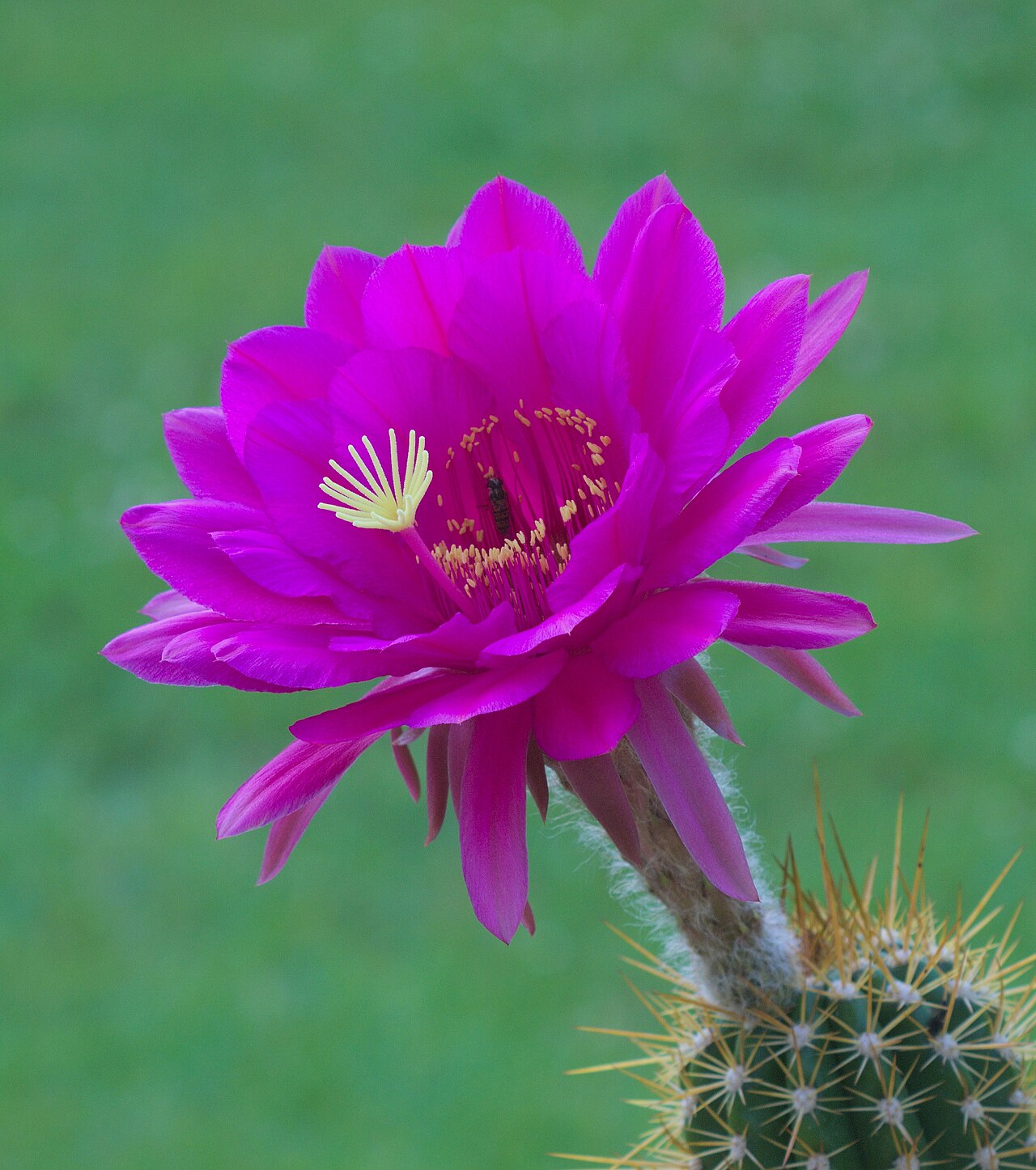
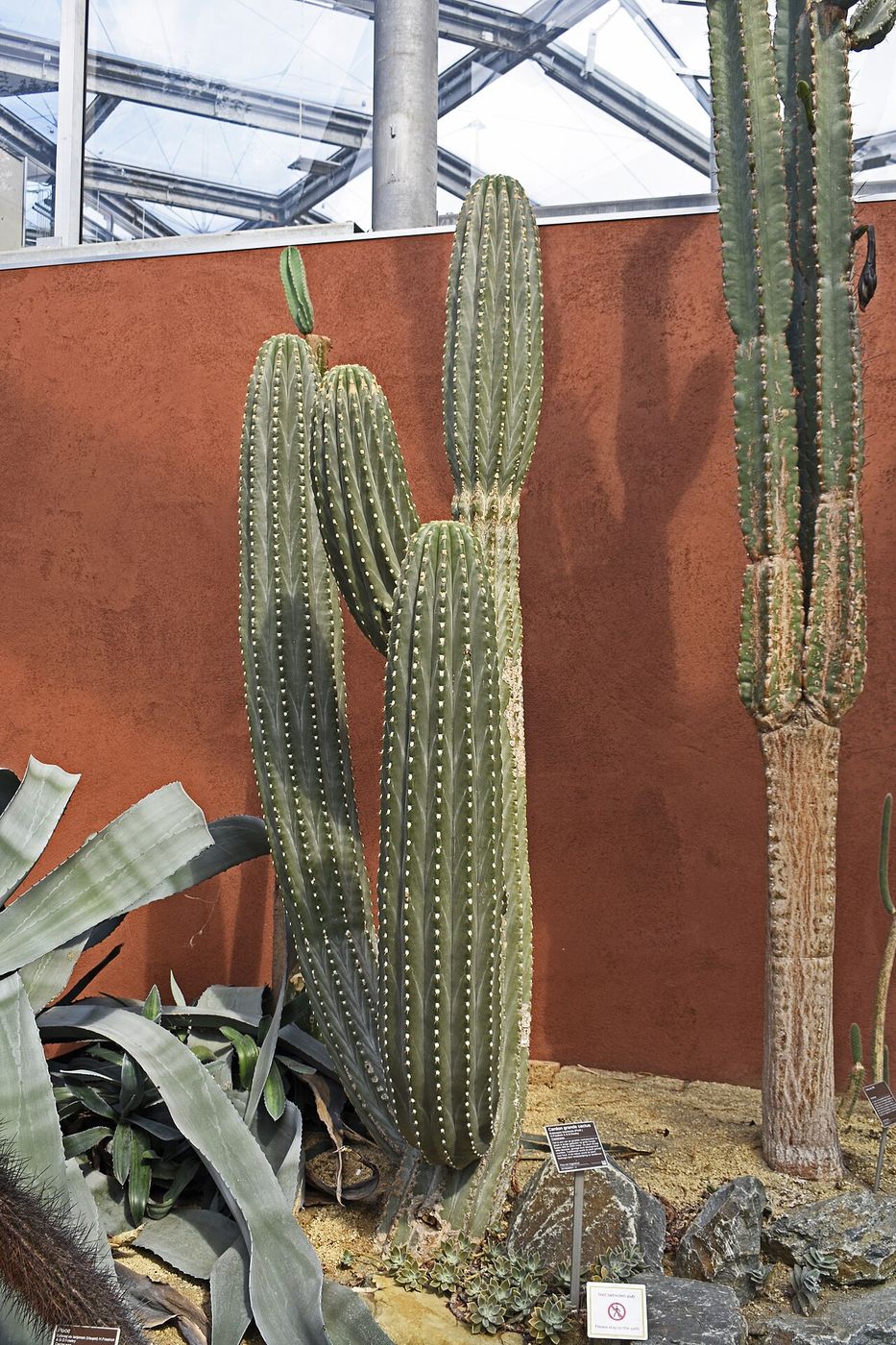
As of late 2025, Plants of the World Online (POWO/Kew) does not accept Trichocereus as a distinct genus; it treats the name Trichocereus (Britton & Rose) as a synonym of the genus Echinopsis Zucc., so most species long called Trichocereus appear under Echinopsis there. [https://powo.science.kew.org/taxon/urn:lsid:ipni.org:names:88444-2; https://en.wikipedia.org/wiki/Trichocereus]
Phylogenetics — the DNA story
Schlumpberger & Renner (2012) sequenced ~3800 nucleotides of chloroplast DNA from 162 plants representing 144 species/subspecies and found that Echinopsis sensu lato is not monophyletic, nor is any previously recognized multi-species segregate; prior groupings were misled by convergent evolution of pollination mode and growth habit. [https://pubmed.ncbi.nlm.nih.gov/22859654/; https://doi.org/10.3732/ajb.1100288]
The cladistic revision of Albesiano & Terrazas (2012, Haseltonia 17: 3-23) recovered Trichocereus as monophyletic only if two species of Harrisia are included within it, highlighting that genus limits in this group remain analytically sensitive to which taxa are sampled. [https://www.cactusconservation.org/CCI/library/pdf/Albesiano_Terrazas_2012_Haseltonia_17_3-23.pdf]
Native range
Members of Trichocereus/Echinopsis sensu lato are South American columnar cacti centered on the Andes, native across Bolivia, northern Chile, Ecuador and Peru (with related taxa reaching Argentina). [https://en.wikipedia.org/wiki/Trichocereus]